Advanced Dark Spot Reduction Treatments in Dubai | Glamorous Clinic Dubai
Dark spots can develop because of sun exposure, hormonal changes, acne, ageing, and skin inflammation. These areas of excess pigmentation may make the complexion appear uneven, dull, or patchy. Choosing an appropriate treatment depends on identifying the type of pigmentation, understanding its underlying cause, and considering individual skin characteristics. Pigmentation Treatments in Dubai & Abu Dhabi offer personalized options for improving the appearance of dark spots and supporting a more balanced complexion at Glamorous Clinic Dubai.
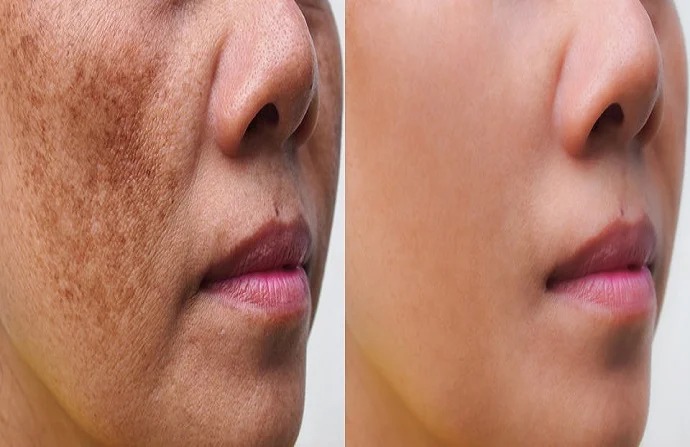
What Causes Dark Spots on the Skin?
Dark spots generally develop when melanin becomes concentrated in certain areas of the skin. Several factors can contribute to this process.
Sun Exposure
Ultraviolet radiation stimulates melanin production as part of the skin's natural protective response. Repeated exposure can lead to sunspots, freckles, and uneven pigmentation, particularly on the face, hands, shoulders, and arms.
Acne and Skin Inflammation
Acne breakouts, insect bites, burns, and skin irritation can trigger post-inflammatory hyperpigmentation. These marks may remain after the original inflammation has healed.
Hormonal Changes
Melasma is associated with hormonal influences and commonly appears as brown or grey-brown patches on the cheeks, forehead, and upper lip. Sunlight and visible light may make it more noticeable.
Ageing
Cumulative sun exposure over time can contribute to pigmentation changes. Dark spots may become more visible as the skin ages.
Unsuitable Skincare Products
Harsh exfoliants, irritating ingredients, and excessive use of active skincare products can cause inflammation. This may increase the likelihood of additional dark marks, particularly in pigmentation-prone skin.
Types of Dark Spots That May Require Treatment
Identifying the type of pigmentation is essential before selecting a procedure.
Sunspots: Flat brown or tan marks associated with long-term UV exposure.
Melasma: Larger patches of pigmentation, commonly affecting facial areas.
Freckles: Small spots that may become darker after sunlight exposure.
Post-inflammatory hyperpigmentation: Dark marks that develop following acne or other skin inflammation.
Age-related pigmentation: Spots associated with cumulative environmental exposure and ageing.
Not every dark spot is a cosmetic pigmentation concern. A new, changing, irregular, bleeding, or unexplained lesion should be medically assessed before any cosmetic treatment.
Advanced Dark Spot Reduction Treatments in Dubai
The most suitable treatment depends on the pigmentation type, depth, skin tone, sensitivity, and medical history. At Glamorous Clinic Dubai, Pigmentation Treatments in Dubai & Abu Dhabi can be considered as part of an individualized approach to managing selected pigmentation concerns.
A personalized plan may include professional procedures, suitable skincare products, and advice on preventing further discoloration.
Laser Pigmentation Treatment
Selected laser technologies target pigment within the skin and may help reduce the appearance of certain sunspots and localized dark marks.
Laser treatment requires careful assessment because different skin tones can respond differently. Darker skin may have a greater risk of post-inflammatory hyperpigmentation after unsuitable laser settings. Melasma may also worsen with excessive heat or irritation.
A professional should determine whether laser treatment is appropriate for the specific pigmentation concern.
Chemical Peels
Chemical peels use exfoliating ingredients to remove some outer layers of skin and support renewal. Depending on the formulation and strength, they may help improve mild pigmentation, uneven texture, and dullness.
The peel should be selected according to skin sensitivity and pigmentation type. Aggressive exfoliation can cause inflammation and potentially make dark marks more noticeable.
Medical-Grade Skincare
Topical skincare products may help improve the appearance of pigmentation gradually. Depending on individual suitability, a routine may include:
Vitamin C: Provides antioxidant support and helps improve the appearance of dull skin.
Niacinamide: Supports the skin barrier and may help reduce uneven-looking tone.
Azelaic acid: Can help with certain pigmentation concerns and acne-related marks.
Retinoids: Support skin renewal but should be introduced gradually to minimize irritation.
Other pigment-targeting ingredients: May be selected according to the skin's needs.
Using multiple strong active ingredients together can irritate the skin. A balanced routine is generally preferable.
Customized Facial Treatments
Selected facial treatments may support hydration, gentle exfoliation, and improved skin texture. They can complement a pigmentation-care plan but may not address deeper or persistent pigment deposits.
Benefits of a Personalized Pigmentation Plan
A customized approach considers the reasons behind discoloration rather than treating every dark spot in the same way.
Potential benefits include:
Targeting specific pigmentation concerns.
Selecting procedures according to skin tone and sensitivity.
Supporting a more even-looking complexion.
Improving the appearance of selected dark marks.
Establishing a suitable home skincare routine.
Reducing avoidable irritation and treatment-related risks.
Treatment outcomes vary, and complete or permanent removal of pigmentation cannot be guaranteed.
How to Prevent Dark Spots from Returning
Aftercare and everyday habits are important for maintaining skin appearance.
Apply broad-spectrum sunscreen with SPF 30 or higher every morning.
Reapply approximately every two hours while outdoors and after swimming or sweating.
Wear protective clothing, sunglasses, and wide-brimmed hats.
Avoid tanning beds and excessive direct sunlight.
Use gentle cleansers and moisturizers.
Avoid picking acne or scratching irritated skin.
Introduce exfoliating products gradually.
Consider tinted sunscreen containing iron oxides if visible light may worsen melasma.
Consistent sun protection is especially important in Dubai's sunny climate.
Frequently Asked Questions
Can dark spots be removed completely?
Some superficial dark spots may improve significantly with suitable treatment, but complete removal cannot be guaranteed. Certain conditions, such as melasma, may require ongoing management.
How long does dark spot treatment take?
The timeline depends on the type and depth of pigmentation, selected procedure, and individual skin response. Some concerns improve over several weeks or sessions, while others require longer-term care.
Is laser treatment suitable for all skin tones?
No. Laser selection and settings must account for skin tone and pigmentation type. Some individuals have a higher risk of irritation or post-treatment darkening.
Can acne marks be treated?
Post-inflammatory hyperpigmentation caused by acne may gradually improve with suitable skincare and selected professional treatments. Controlling active acne is also important to help prevent new marks.
Does sunscreen help prevent dark spots?
Yes. Regular use of broad-spectrum sunscreen helps reduce UV-related pigmentation and prevents existing sunspots from becoming darker.
Book a Dark Spot Consultation at Glamorous Clinic Dubai
Dark spots can have different causes, so an appropriate treatment plan should be based on individual skin needs. Professional guidance can help determine suitable procedures, skincare ingredients, and protective habits.
Discover Pigmentation Treatments in Dubai & Abu Dhabi at Glamorous Clinic Dubai to explore options for managing uneven pigmentation and improving the appearance of your complexion. Book a consultation to discuss your concerns and receive a personalized approach to dark spot care.