Effective Skin Care Solutions for Unwanted Moles | Glamorous Clinic Dubai
Unwanted moles can affect the appearance of your skin, particularly when they develop on visible areas such as the face, neck, or hands. While many moles are harmless, some people consider removal because of cosmetic preferences, repeated irritation, or changes in their appearance. At Glamorous Clinic Dubai, individuals interested in Mole Removal in Dubai & Abu Dhabi can explore suitable options through a professional assessment that considers both skin health and aesthetic goals.
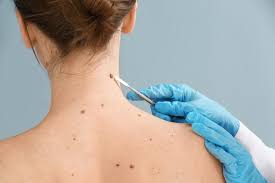
Understanding Unwanted Skin Moles
Moles are small growths that develop when pigment-producing cells cluster together in the skin. They can appear in different shapes, sizes, colours, and textures. Some are flat, while others are raised or slightly uneven.
Common characteristics include:
Flat moles: Appear level with the surrounding skin.
Raised moles: Extend above the skin's surface.
Pigmented moles: May appear brown, black, or in other shades.
Congenital moles: Are present at birth or develop shortly afterwards.
Acquired moles: Develop during childhood or later life.
Although many moles remain unchanged for years, it is important to pay attention to new or changing skin features.
Why Do People Consider Mole Removal?
The decision to remove a mole can be based on several personal or medical considerations.
Cosmetic Concerns
A mole on a prominent area may make someone feel less comfortable with their skin's appearance. Some individuals explore removal to address a feature they find distracting.
Repeated Irritation
Raised moles in areas exposed to friction may catch on clothing, jewellery, or shaving equipment. A professional assessment can help determine whether removal is appropriate.
Changes in Appearance
A mole that changes in size, shape, colour, or texture should be examined. Itching, bleeding, pain, or irregular borders may also require medical attention.
Personal Skin Care Goals
Some people want a more even-looking skin appearance. However, cosmetic goals should never take priority over checking whether a mole has suspicious features.
Professional Mole Assessment Before Treatment
Before selecting a removal method, a qualified medical professional should examine the mole. The assessment may consider its size, location, depth, colour, and history.
The ABCDE warning signs can help identify features that need medical attention:
A – Asymmetry: One half does not match the other.
B – Border: Edges appear irregular or poorly defined.
C – Colour: Different or uneven colours are present.
D – Diameter: The mole is larger than expected, although concerning changes can occur at any size.
E – Evolving: The mole changes in appearance, size, shape, or symptoms.
Any mole that develops concerning changes should be assessed before cosmetic treatment. A biopsy or laboratory examination may be recommended when necessary to establish a diagnosis.
Available Mole Removal Treatment Options
The right approach depends on the mole's characteristics and the findings of the medical assessment.
Surgical Excision
Surgical excision involves removing the mole using a medical instrument. Stitches may be required depending on the size and depth of the treated area. The removed tissue can be sent for laboratory examination when appropriate.
Shave Removal
Shave removal involves removing selected raised lesions from the skin's surface. It may be considered for certain benign moles, but it is not suitable for every lesion. Regrowth, scarring, and changes in skin texture are possible.
Laser Treatment
Laser-based treatment may be considered for specific lesions after professional evaluation. It should not be used indiscriminately for moles, particularly when suspicious features are present or tissue examination is needed.
A medical professional should explain why a particular method is suitable and discuss its limitations before treatment.
Skin Care Before and After Mole Removal
Good skin care supports the treatment process, but it does not replace professional assessment or appropriate wound care.
Before Treatment
Discuss your medical history and current medications.
Mention allergies and previous skin reactions.
Explain any history of thick or raised scars.
Avoid applying irritating products to the treatment area.
Follow the preparation instructions provided.
After Treatment
Keep the treated area clean as directed.
Follow the recommended dressing and wound-care routine.
Avoid picking scabs or scratching the healing skin.
Protect the area from direct sunlight.
Avoid unnecessary pressure and friction.
Attend follow-up appointments when recommended.
Temporary redness, swelling, tenderness, or colour changes may occur. Possible complications include infection, bleeding, scarring, pigmentation changes, and incomplete removal. Healing time varies according to the procedure and individual skin characteristics.
Personalised Skin Care at Glamorous Clinic Dubai
Every mole has different characteristics, so treatment should be planned according to individual needs. At Glamorous Clinic Dubai, people exploring Mole Removal in Dubai & Abu Dhabi can discuss their skin concerns and learn about suitable options during a consultation.
A personalised assessment helps determine whether a mole is appropriate for cosmetic removal or needs further medical investigation. Understanding the expected recovery, possible scarring, and aftercare requirements can help individuals make informed decisions.
Frequently Asked Questions
Are all skin moles suitable for removal?
No. Some moles require medical investigation before removal, while others may not need treatment. Suitability depends on their characteristics and assessment findings.
Can mole removal improve skin appearance?
Removing a suitable benign mole may change the appearance of the treated area. However, the final result depends on the removal method, healing process, and individual skin characteristics.
Does mole removal leave a mark?
A scar or pigmentation change may remain after treatment. The likelihood and appearance depend on the technique, mole size, location, and individual healing response.
Can I remove a mole at home?
Home removal is not recommended. Cutting, burning, or applying unverified products can cause injury, infection, scarring, and delays in diagnosing suspicious lesions.
When should I seek an assessment?
Arrange a medical evaluation if a mole changes in size, shape, or colour, develops irregular borders, or begins itching, bleeding, or hurting.
Arrange Your Mole Removal Consultation
If an unwanted mole concerns you, professional guidance can help you understand the available options and whether treatment is appropriate. Contact Glamorous Clinic Dubai to discuss Mole Removal in Dubai & Abu Dhabi and arrange a personalised assessment based on your skin's needs.