Enhancing Email Security With Anti-Phishing Services: Benefits And Implementation Strategies
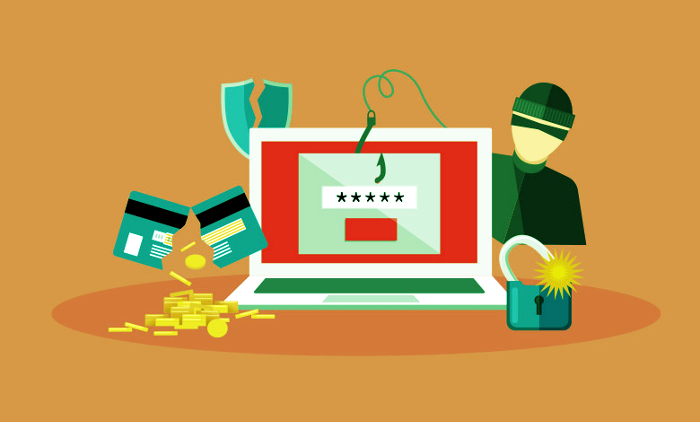
In today's digital age, email has become a crucial mode of communication for individuals and businesses alike. However, with the rise of cyber attacks and phishing attempts, email security has become a major concern for organizations. Phishing is a type of cyber attack where scammers send fraudulent emails with the intention of tricking recipients into giving away sensitive information like login credentials, credit card numbers, or personal data.
These attacks not only put individuals at risk but can also have severe implications for businesses, including financial losses, brand damage, and legal repercussions. To mitigate these risks, many businesses are turning to anti-phishing services.
In this blog post, we will explore the benefits of using anti-phishing services to enhance email security and discuss strategies for implementing them in your organization. We will cover different types of anti-phishing services, including email filtering, employee training, and simulated phishing attacks. Visit phishprotection.com if you want to know more about anti phishing service.
The Importance of Email Security
Ensuring the security of emails is crucial for safeguarding sensitive data, preserving confidentiality, and thwarting unauthorized entry. In the event of a successful phishing attack, there can be severe consequences such as compromised data, financial setbacks, harm to reputation, and potential legal repercussions.
Hence, it is imperative for both individuals and organizations to give utmost importance to email security within their overall cybersecurity plan.
Benefits of Anti-Phishing Services
1. Proactive Threat Detection
Advanced algorithms and machine learning techniques are utilized by anti-phishing services to promptly recognize and uncover phishing attempts as they occur. These services proactively evaluate email content, sender reputation, and other pertinent factors to identify suspicious emails. By swiftly identifying potential phishing threats, organizations can promptly respond and prevent successful attacks.
2. Employee Training and Awareness
Organizations can empower their workforce to be the first line of defense against phishing attacks by providing comprehensive training programs through anti-phishing services. These programs educate employees about the latest phishing techniques and best practices for identifying and reporting suspicious emails, thus enhancing employee awareness.
3. Email Filtering and Spam Detection
To prevent malicious emails from reaching users' inboxes, anti-phishing services employ strong email filtering and spam detection techniques. These services use advanced algorithms to examine email headers, content, and attachments for potential threats, effectively reducing the chances of successful phishing attacks.

Implementing Anti-Phishing Services
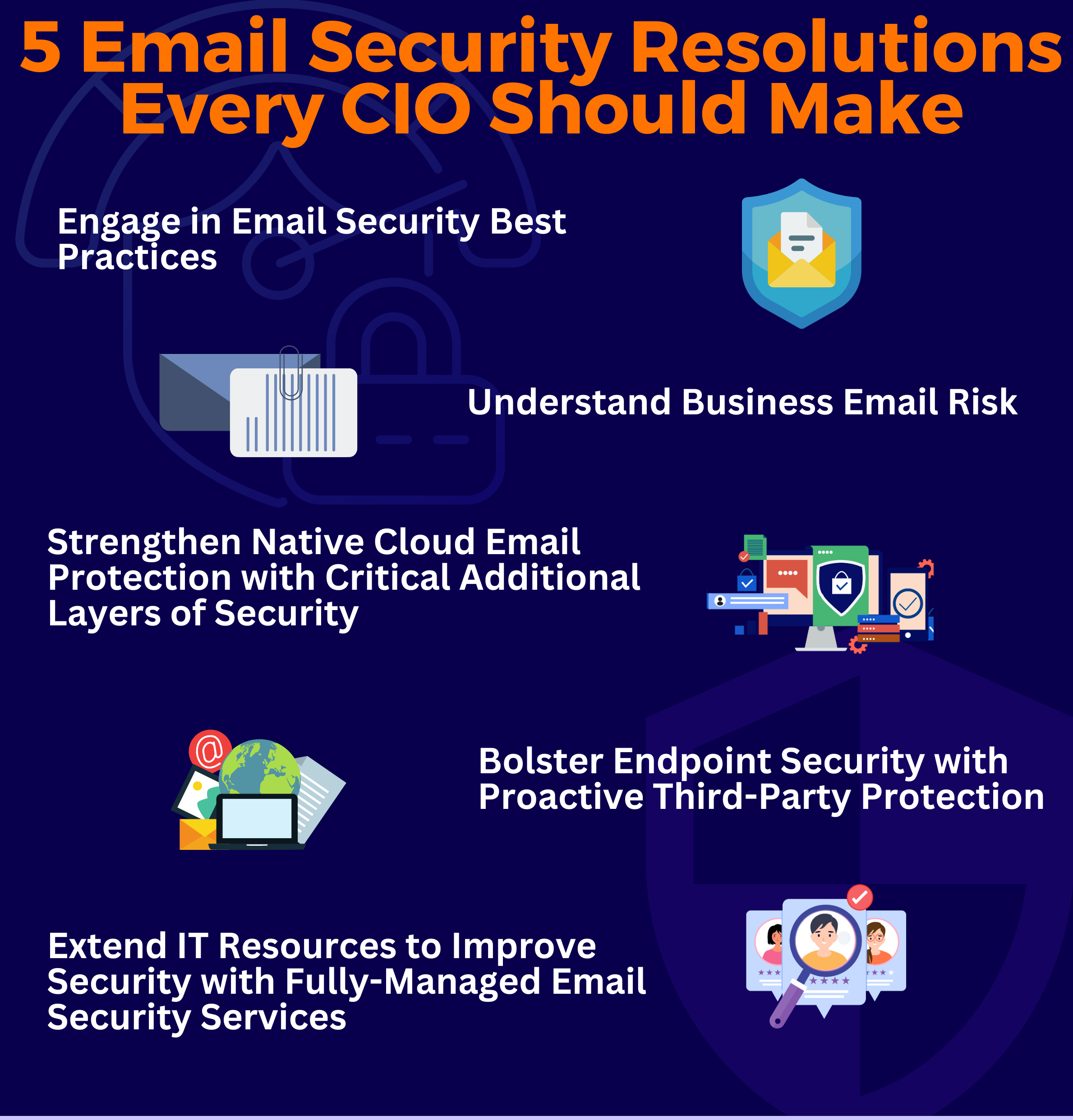
When it comes to effectively implementing anti-phishing services, organizations should take into account the following strategies:
- Assessing Security Needs: Assess the organization's distinct security needs and pinpoint the weaknesses and potential dangers linked to email communication. This evaluation aids in determining the essential attributes and capacities of an anti-phishing service.
- Choosing the Right Anti-Phishing Solution: Conduct thorough research to choose an anti-phishing solution that meets the security requirements and financial constraints of the organization. Take into account aspects like accuracy in detecting threats, ease of implementation, ability to scale, and compatibility with current security infrastructure.
- Employee Education and Training: Increase employee awareness of phishing threats and effectively identify and report suspicious emails by investing in comprehensive education and training programs for employees.
Best Practices for Email Security
To enhance email security, organizations should not only implement anti-phishing services but also adopt the following best practices.
- Strong Passwords and Multi-Factor Authentication: Users are advised to generate robust, distinct passwords and activate multi-factor authentication (MFA) to enhance security. MFA introduces an extra verification measure, thereby decreasing the likelihood of unauthorized access.
- Regular Software Updates and Patching: Ensure that email clients, operating systems, and security software are constantly updated with the most recent patches and security updates. Consistent updates aid in resolving known vulnerabilities and safeguarding against new and evolving threats.
- Encrypted Communication Channels: Encourage the adoption of encrypted communication channels, like Secure Sockets Layer (SSL) or Transport Layer Security (TLS), for safeguarding email transmissions. Encryption guarantees the privacy of email content and prevents any unauthorized interception or alteration during transmission.
Learn about prevention of email threats with advanced email security click here
In summary, implementing anti-phishing services can significantly enhance email security, protect sensitive information, and prevent financial and reputational damage. By adopting a multi-layered approach that includes employee training, email authentication protocols, and advanced threat detection technologies, organizations can effectively mitigate the risks posed by phishing attacks.
As cybercriminals continue to develop more sophisticated techniques, it is essential for businesses to remain vigilant and proactive in their efforts to safeguard their email communications. Investing in anti-phishing services can ultimately save businesses time, money, and resources while ensuring the confidentiality and integrity of their sensitive information.