Otoplasty for Natural Ear Appearance in Dubai & Abu Dhabi | Glamorous Clinic Dubai
The shape and position of the ears contribute to overall facial balance. When ears protrude noticeably, appear uneven, or have an unusual contour, some people explore cosmetic treatment to achieve a more harmonious appearance. Otoplasty Ear Reshaping in Dubai & Abu Dhabi is a surgical option that can improve ear positioning and refine selected structural features. At Glamorous Clinic Dubai, patients can learn about the procedure, discuss their aesthetic concerns, and explore an individualized approach to ear correction with realistic expectations.
What Is Otoplasty?
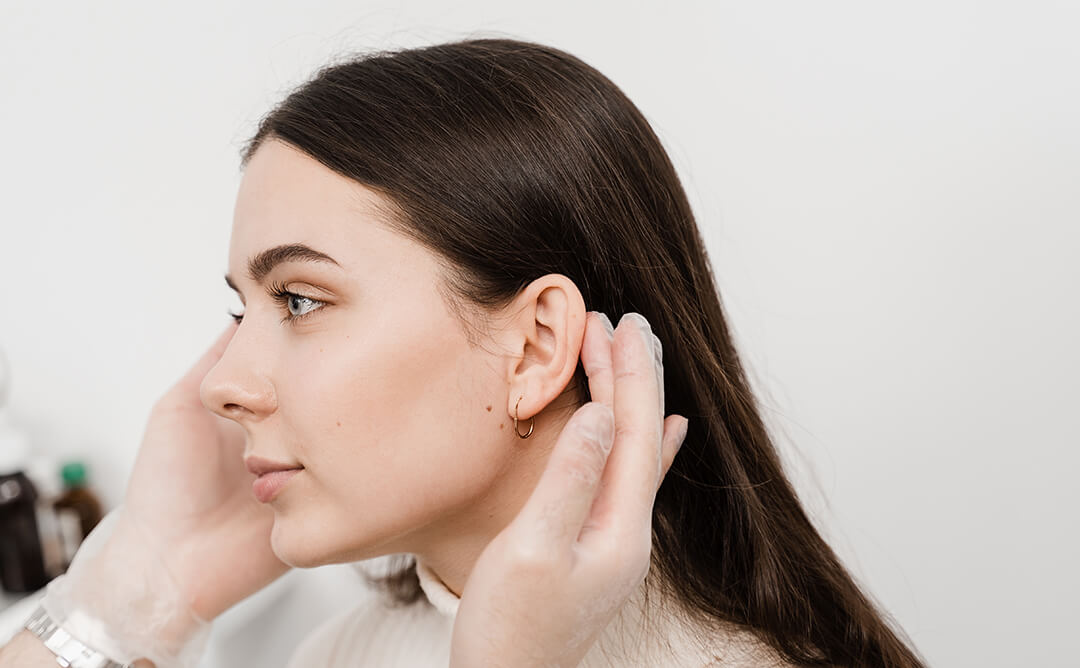
Otoplasty is a cosmetic surgical procedure that changes the shape, position, or proportions of the outer ears. It is commonly considered by people with prominent ears, differences between the two ears, or cartilage contours they would like to refine.
Depending on the individual's anatomy, the procedure may involve reshaping cartilage, adjusting natural folds, or positioning the ears closer to the head. The appropriate technique depends on the degree of prominence, cartilage structure, skin characteristics, and desired outcome.
The main objective is to create a balanced, natural-looking appearance rather than make the ears look identical or artificially positioned. A consultation helps establish which changes may be achievable for each patient.
Who May Benefit from Otoplasty?
Otoplasty may be considered by adults and appropriately assessed younger patients whose ears have developed sufficiently. Suitability depends on individual anatomy, general health, and treatment expectations.
Common reasons for considering ear reshaping include:
Prominent ears: The ears extend outward more than the person prefers.
Uneven ear positioning: One ear appears more noticeable than the other.
Irregular cartilage folds: Certain structural features affect the ear's overall contour.
Aesthetic concerns: The individual wants to improve how the ears complement other facial features.
Long-standing self-consciousness: Ear appearance has affected personal confidence over time.
Not every concern requires surgery. A qualified practitioner should assess the ears and discuss whether an operation is suitable, including its limitations and potential risks.
How Otoplasty Can Create a Natural Ear Appearance
A natural-looking result depends on careful planning and an understanding of the ear's anatomy. The procedure should consider the patient's facial proportions, existing ear folds, and the relationship between each ear and the head.
Individualized Ear Assessment
The process begins with an examination of ear shape, cartilage, symmetry, and prominence. Patients can explain which features concern them and discuss their preferred outcome. Medical history, medications, allergies, and previous procedures should also be reviewed.
Selecting an Appropriate Technique
Depending on the treatment plan, incisions may be made behind the ears to reduce their visibility. The practitioner may reshape cartilage or use sutures to create or refine folds and adjust ear position. The specific approach varies according to the patient's anatomy and the correction required.
Preserving Natural Proportions
Overcorrection can produce an unnatural appearance, so the treatment plan should aim for appropriate positioning and proportion. Although improved balance may be possible, perfect symmetry cannot be guaranteed. Healing and individual tissue responses also influence the final result.
Potential Benefits of Ear Reshaping
For suitable patients, otoplasty may provide several aesthetic benefits:
Improved ear positioning: Prominent ears may sit closer to the head.
More balanced facial proportions: Adjustments may help the ears complement other features.
Refined contours: Selected cartilage folds and shapes can be modified.
Long-lasting changes: Surgical adjustments are generally intended to provide durable results.
Greater confidence: Some individuals feel more comfortable with their appearance after recovery.
Results differ from person to person. Patients should discuss what is realistically achievable and understand that scarring, asymmetry, or further treatment may sometimes occur.
What to Expect During Recovery
Recovery depends on the surgical technique, the extent of correction, and individual healing. Swelling, bruising, tenderness, and temporary discomfort can occur during the initial recovery period.
After surgery, patients may receive dressings or be advised to wear a supportive headband. Following the practitioner's instructions is important for protecting the ears while they heal.
Recommended precautions may include:
Keep the surgical area clean and follow wound-care guidance.
Avoid pulling, rubbing, or applying pressure to the ears.
Sleep in a position that protects the treated area.
Avoid strenuous exercise and contact sports until medically cleared.
Attend follow-up appointments to monitor healing.
Seek prompt medical advice if pain worsens or signs of infection develop.
Some routine activities may resume relatively early, but complete healing takes longer. The treating practitioner should provide a personalized recovery plan and confirm when normal activities can safely resume.
Understanding the Risks of Otoplasty
Otoplasty is surgery and carries potential complications. These may include infection, bleeding, visible scars, changes in skin sensation, asymmetry, dissatisfaction with the shape, or the need for revision surgery.
A comprehensive consultation helps evaluate medical suitability and identify possible risk factors. Patients should disclose relevant health conditions and medications and ask questions about anesthesia, incision placement, expected outcomes, and aftercare. Choosing an appropriately qualified and licensed practitioner is an important part of making an informed decision.
Otoplasty Consultation at Glamorous Clinic Dubai
Selecting an ear reshaping procedure involves more than choosing a cosmetic change. Patients should understand the proposed technique, expected recovery, potential risks, and realistic results before proceeding.
At Glamorous Clinic Dubai, individuals can discuss their concerns and explore treatment options based on their needs. Those considering Otoplasty Ear Reshaping in Dubai & Abu Dhabi can use a consultation to learn about the assessment process, preparation, surgical approach, and follow-up care. The final decision should reflect clinical suitability and personal expectations.
Frequently Asked Questions
Can otoplasty make the ears look natural?
The procedure can be planned to improve ear position and contour while maintaining natural proportions. Results depend on anatomy, surgical technique, and healing, so a specific appearance cannot be guaranteed.
Is otoplasty only for prominent ears?
No. Depending on the case, it may address selected concerns involving ear shape, cartilage folds, or asymmetrical positioning.
Are the scars noticeable?
Incisions are often placed behind the ears, where scars may be less visible. Scar appearance varies, and scars cannot be guaranteed to disappear completely.
How long do otoplasty results last?
The changes are generally intended to be long-lasting. However, healing, ageing, and individual tissue characteristics can influence the appearance over time.
When can I return to exercise?
The timing depends on healing and the type of activity. Strenuous exercise and contact sports should be avoided until the treating practitioner confirms they are safe.
Conclusion
Otoplasty may help suitable patients refine ear shape and position while supporting a more balanced facial appearance. Understanding the procedure, recovery process, and possible complications helps patients make informed choices about cosmetic surgery.
If you are exploring Otoplasty Ear Reshaping in Dubai & Abu Dhabi, contact Glamorous Clinic Dubai to discuss your goals and arrange an individualized consultation. A qualified practitioner can assess your ears, explain appropriate options, and help you understand what outcomes may be realistic for your circumstances.