Teeth Retainers Dubai & Abu Dhabi for Post-Treatment Smile Care | Glamorous Clinic Dubai
Completing orthodontic treatment is an important milestone, but maintaining the results requires continued attention. Teeth Retainers Dubai & Abu Dhabi can help support the position of aligned teeth and preserve the appearance achieved through previous treatment. With an appropriate retainer, consistent use, and proper care, post-treatment smile maintenance can become a simple part of everyday dental care.
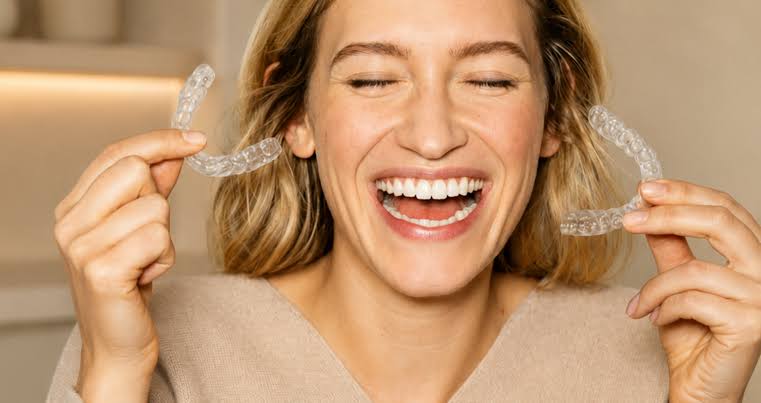
Understanding Post-Treatment Smile Care
After active orthodontic treatment, teeth can gradually move from their corrected positions. Retention is used to help maintain the alignment achieved during treatment and provide continued support.
Retainers are different from active orthodontic appliances because their primary purpose is to hold teeth in their established positions. The recommended wearing routine depends on individual dental circumstances and should be followed according to professional guidance.
At Glamorous Clinic Dubai, personalized retention options can be considered according to each patient's smile and post-treatment requirements.
Why Retention Is Important
A straight smile requires ongoing maintenance after orthodontic correction. Consistent retainer use can help support the alignment achieved during treatment and reduce unwanted movement.
A suitable retention plan may help:
- Maintain the position of aligned teeth
- Support long-term smile stability
- Preserve previous orthodontic results
- Reduce gradual tooth movement
- Provide continued post-treatment support
Retention needs can vary significantly, so an individualized approach is important for comfortable and practical smile care.
Customized Retainers for Individual Smiles
Every smile has its own dental structure, tooth positioning, and treatment history. A customized retainer can be designed around the individual's current alignment to provide a secure and comfortable fit.
For individuals considering Teeth Retainers Dubai & Abu Dhabi, personalized fitting can help balance retention, comfort, and appearance.
A properly fitted appliance may also make it easier to maintain a consistent wearing routine. If an existing retainer becomes uncomfortable or stops fitting correctly, professional evaluation can help determine whether a replacement is appropriate.
Clear Retainers for Discreet Care
Many people prefer a retainer that remains subtle while worn. Clear retainers can offer a discreet appearance, making them an appealing option for individuals who want to support their alignment without making their appliance highly visible.
A low-visibility retainer can fit conveniently into professional environments, social occasions, photographs, and daily conversations.
However, appearance is only one factor to consider. The retainer should also provide an appropriate fit and meet the individual's dental and retention requirements.
When Might You Need a Replacement?
Retainers can experience wear over time. Damage, loss, or changes in fit may indicate that a replacement or professional assessment is needed.
Consider having your appliance evaluated if:
- It feels unusually tight or loose
- It no longer fits comfortably
- You notice cracks or other damage
- It has become significantly worn
- It has been lost
- The fit feels noticeably different from before
Using a retainer that no longer fits correctly may not provide the intended support. Professional guidance can help determine the most appropriate next step.
Proper Retainer Care
Maintaining your retainer correctly can help protect its cleanliness, appearance, and condition. Simple habits can also make long-term use more convenient.
Helpful care practices include:
- Rinse the retainer after removing it.
- Clean it using the recommended method.
- Store it inside a protective case when not in use.
- Avoid exposing it to excessive heat.
- Handle it carefully when inserting or removing it.
- Keep it away from areas where it may be lost or damaged.
- Follow professional recommendations for cleaning and replacement.
Good oral hygiene should remain part of your regular routine alongside retainer care.
Maintaining Your Smile After Treatment
Post-treatment care plays an important role in preserving orthodontic results. Retention should be viewed as an ongoing component of smile maintenance rather than a temporary step.
Teeth Retainers Dubai & Abu Dhabi can provide continued support for individuals focused on maintaining their aligned smile. Combining a suitable retainer with consistent use and proper care can make long-term retention easier to manage.
Glamorous Clinic Dubai can help patients explore personalized retention options based on their current alignment, comfort preferences, and post-treatment dental needs.
Frequently Asked Questions
Why are retainers used after orthodontic treatment?
Retainers are commonly used to help maintain tooth positioning after active orthodontic treatment and support the results achieved during alignment.
Can teeth move after treatment is completed?
Teeth can gradually shift after orthodontic treatment. A consistent retention routine can help support their established positions.
Are clear retainers discreet?
Clear retainers are designed to have a low-visibility appearance and can be less noticeable during everyday activities.
What should I do if my retainer feels too tight?
If your retainer suddenly feels unusually tight or uncomfortable, professional assessment is recommended to evaluate its fit and condition.
How should I store my retainer?
When not in use, keep the retainer in its protective case and store it somewhere clean and safe.
Continue Caring for Your Aligned Smile
Post-treatment smile care is an ongoing commitment. A properly fitted retainer, consistent use, and good maintenance habits can help support the alignment achieved through orthodontic treatment.
For personalized Teeth Retainers Dubai & Abu Dhabi solutions, Glamorous Clinic Dubai can help you explore retainer options designed around your smile, comfort, and long-term post-treatment care needs.